

All the cocktail recipes a home bartender needs


Popular Cocktail Recipes


Absolut Vodka, Kahlúa, Espresso, Coffee Beans
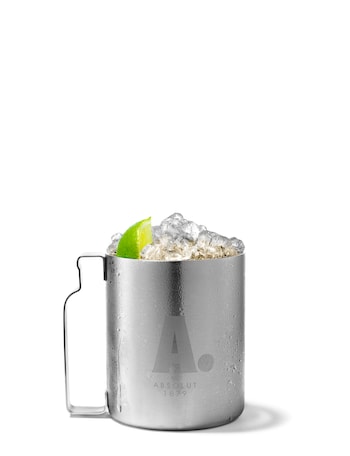
Absolut Vodka, Lime Juice, Ginger Beer, Lime
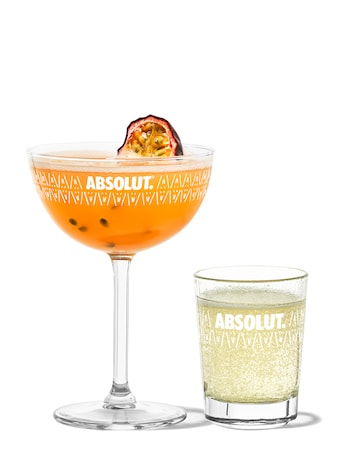
Absolut Vanilia, Passion Fruit Purée, Vanilla Syrup, Pineapple, Passion Fruit, Passion Fruit


Absolut Citron, Lemon Juice, Simple Syrup, Lemon
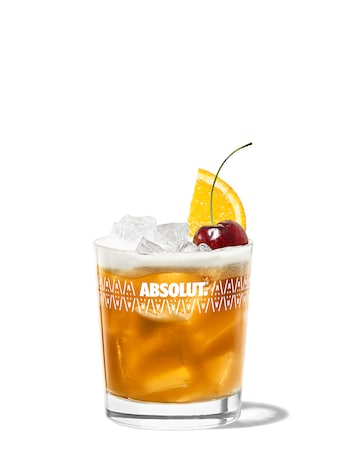

Amaretto, Lemon Juice, Simple Syrup, Egg White, Cherry, Orange

Absolut Vodka, Soda Water, Lime


Absolut Vodka, Cranberry Juice, Lime
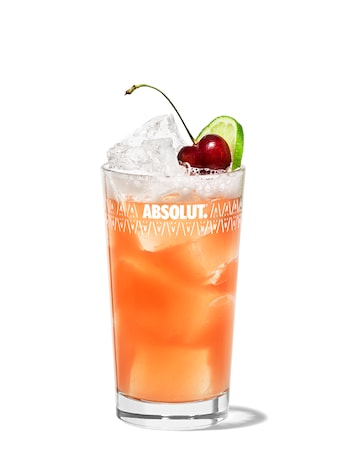

Absolut Vodka, Light Orange Juice, Cranberry Juice, Peach Schnapps, Lime, Cherry

Absolut Pears, Simple Syrup, Lemon Juice, Pear Puree, Pear

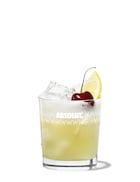
Absolut Vodka, Lemon Juice, Simple Syrup, Bitters, Egg White, Cherry, Lemon


Simple Syrup, Bourbon, Angostura Bitters, Orange Zest
Absolut Vodka, Passion Fruit Liqueur, Passion Fruit Purée, Lemon Juice, Simple Syrup, Passion Fruit

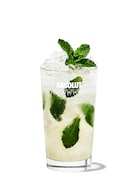
Absolut Vodka, Simple Syrup, Mint Leaf, Lime, Soda Water, Mint Leaf


Absolut Vodka, Ginger Ale, Lime


Gin, Dry Vermouth, Olive Juice, Green Olive
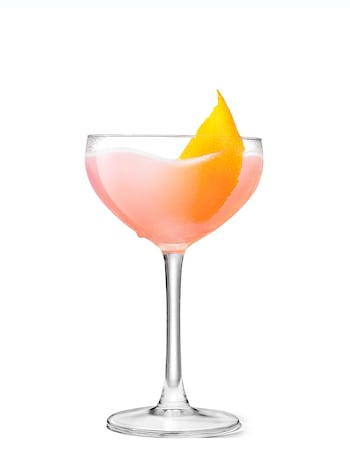

Absolut Citron, Triple Sec, Lime Juice, Cranberry Juice, Orange Zest
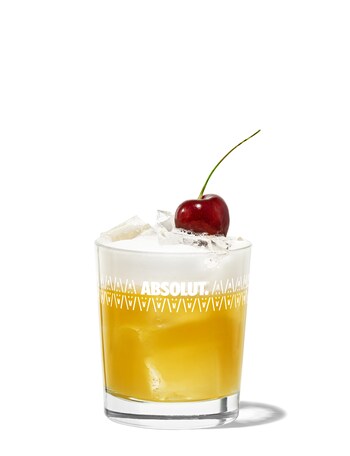

Bourbon, Lemon Juice, Simple Syrup, Egg White, Orange, Angostura Bitters
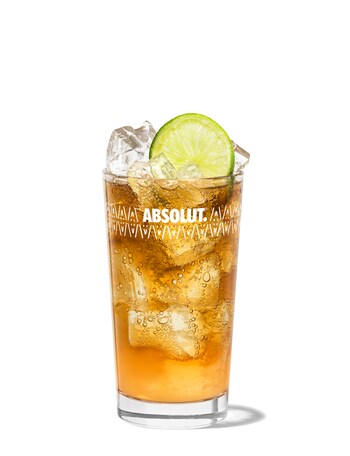

Absolut Vodka, Light Rum, Gin, Tequila Blanco, Triple Sec, Lemon Juice, Cola, Lemon


Absolut Vodka, Dry Vermouth, Lemon Zest, Green Olive
ABSOLUT DRINKS WITH RICO

Cocktail Recipes By Ingredient
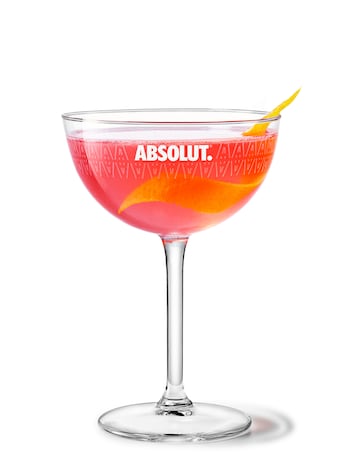
More Drinks with Rico

Rico's Top 3 Absolut Vodka Drinks!
3 Drinks

Bartending Basics: How To Use A Cocktail Shaker
3 Drinks

3 Drinks You Can Make With Absolut Lime!
3 Drinks

3 New Classics With Absolut Grapefruit!
3 Drinks

Rico Breaks Down An Orange!
3 Drinks

Rico's Favorite Drinks With Absolut Citron
3 drinks

Bartending Basics: What Is A Part?
3 Drinks

How to make Simple Syrup with Rico
3 Drinks

Easy Party Drinks with Rico
4 Drinks

Holiday Drinks with Rico
3 Drinks
Show us your #absolutdrinks
Tag your homemade drinks with @absolutvodka and #absolutdrinks for a chance to get featured here!
Read our Terms & ConditionsClassic Drinks


Pisco, Lemon Juice, Simple Syrup, Egg White, Bitters
Amaretto, Lemon Juice, Simple Syrup, Egg White, Cherry, Orange


Tequila Blanco, Triple Sec, Lime Juice


Champagne, Orange Juice


Gin, Campari, Sweet Vermouth, Orange


Lime, Cachaca, Simple Syrup, Lime


Absolut Vodka, Lemon Juice, Apple Liqueur, Apple Juice, Simple Syrup


Absolut Vodka, Kahlúa, Cream


Bourbon, Simple Syrup, Mint Leaf


Light Rum, Lime Juice, Simple Syrup, Strawberry

Gin, Tonic Water, Lemon


Absolut Lime, Triple Sec, Cranberry Juice, Lime Juice, Lime

Absolut Drinks YouTube channel
Subscribe now!Cocktail Recipes By Ingredient

Get weekly drink recipes

TOP TEN DRINKS FOR ANY OCCASION
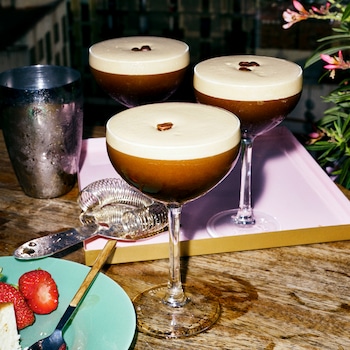

Absolut Vodka, Kahlúa, Espresso, Coffee Beans
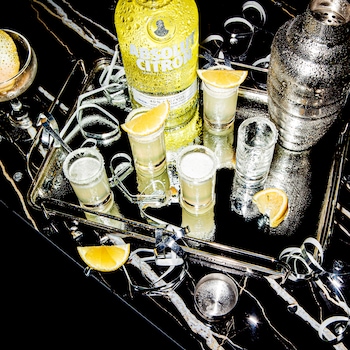

Absolut Citron, Lemon Juice, Simple Syrup, Lemon
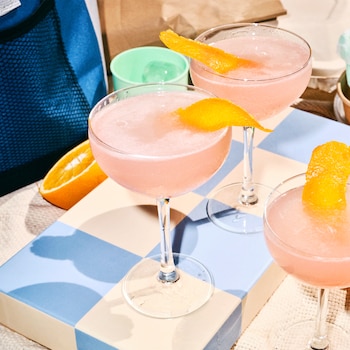

Absolut Citron, Triple Sec, Lime Juice, Cranberry Juice, Orange Zest
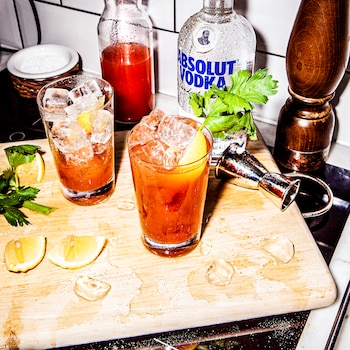

Absolut Vodka, Tomato Juice, Hot Sauce, Worcestershire Sauce, Lemon Juice, Ground Black Pepper, Garlic Salt, Lemon, Celery
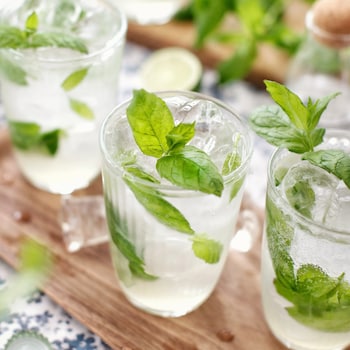

Mint Leaf, Sugar, Superfine, Lime Juice, Light Rum, Soda Water, Mint Leaf


Absolut Vodka, Kahlúa, Cream
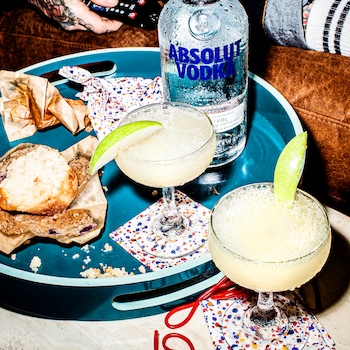

Absolut Vodka, Lemon Juice, Apple Liqueur, Apple Juice, Simple Syrup
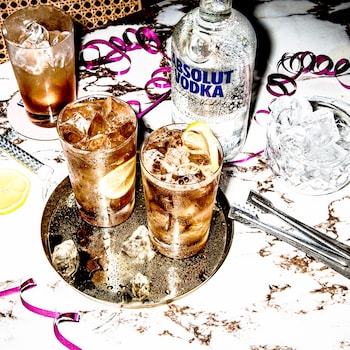

Absolut Vodka, Light Rum, Gin, Tequila Blanco, Triple Sec, Lemon Juice, Cola, Lemon


Amaretto, Lemon Juice, Simple Syrup, Egg White, Cherry, Orange
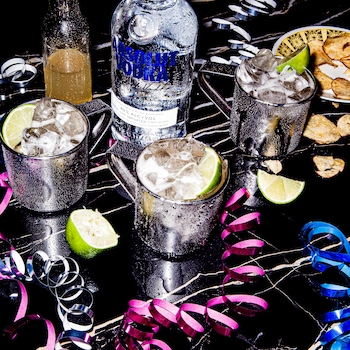

Absolut Vodka, Lime Juice, Ginger Beer, Lime